Saturday, 29 December 2012

Lighting

Lighting
Lighting is used in very productive ways as to how directors want audiences to view a particular scene or character. The key light is very bright and most influential. The back light helps to counteract the effect of the key light, however if there is no key light then back light creates a silhouette. The filler light softens harsh shadows which key light and back light create. Under lighting is used mainly in thrillers and horrors and comes from below the subject. Top lighting is used to create a glamorous look, maybe the women in thrillers or horror films or in Hollywood movies. The lighting comes from above and highlights features.


This is an example of an under light.


This is an example of a top light.

LOW KEY LIGHTING - this is created by using only key and back lights to produce sharp contrast of light and dark areas on the screen. Distinct shadows are formed due to this, and it is known as chiaroscuro.


HIGH KEY LIGHTING - this creates a more realistic feel and more filler lights are used. 

Tuesday, 25 December 2012

Unknown.

Unknown.

This film is a psychological thriller based on a man who wakes up from a coma in Berlin to discover that his wife doesn't know who he is. His briefcase has been left at the airport and he has no records or passport to prove who he is. He pays a private investigator to help him find out who his impersonator is and why, and makes a friendship with the cab driver who is an illegal immigrant. There is a huge fight at the end of this film and all is revealed.

I believe that this is a very good film with a clever plot. There are many different techniques used throughout the film to create the thriller and they are very effective.

Different camera shots are used in this film. Flashbacks are used throughout the film which I think is a good convention of a thriller and is very effective. This tells the story backwards.


Tuesday, 18 December 2012

Use of Sound.

Use of Sound.


There are different sound techniques used in films and videos including music, dialogue, silence and sound effects.

Diegetic sound- Sounds which belong to the actual film including voice of characters, objects which make sound, instruments used in music playing in the film. We can see this sound e.g. if we see someone getting shot we hear a shotgun.

Non-diegetic sound- Sounds which don't belong to the films world including dramatic effects. They are represented as coming from the source when in fact they are outside the story space. This also includes music.

Sound bridge- This is when a sound of the next scene begins before we see the image, and starts at the end of the previous scene. This introduces us into the next scene.

Silence in a film creates suspense and tension, and is used a lot in thrillers. It causes us to focus more on the image to know what's going on, and then shock is used to make us jump with something jumping out in the screen or something very unpredictable happening. Dialogue in a film really sets the story and tells us about those particular characters. We can analyse their use of language and their accent to determine who they are. 

Thursday, 13 December 2012

Thriller Conventions

Thriller conventions

There are many different types of things which thrillers need to be a successful thriller. This includes being central to the plot, which means that it revolves around the main scene and builds up to it, being justice vs injustice, which means that there always has to be an antagonist whether it be personal e.g. the green goblin in spiderman or general e.g. the police. This also includes enigmas where you are unable to read the story straight away causing mystery which builds suspense, red herrings which is diverting the audience from the truth or an item of significance and works with enigmas to create suspense which Hitchcock uses a wide range of, plot twists and cliff hangers. 

There are sub-genres of a thriller which include mystery, crime, psychological and political such as The Last King Of Scotland. Also spy thrillers such as James Bond, Mr and Mrs Smith and the Bourne Legacy.

Thrillers are usually set in cities such as New York and Los Angeles in America or London in England. There is also a chase in thrillers and society is seen as dark and corrupt.

Sunday, 9 December 2012

Camera Shots

Camera Shots

There are many different types of camera shots used in a film or video. We don't just see the whole thing from one angle or point of view, we see it from many different ways.

Long Shot (LS)


This is an example of a long shot, showing everything you need to see in the scene from a distance.

Medium/Mid Shot (MS)


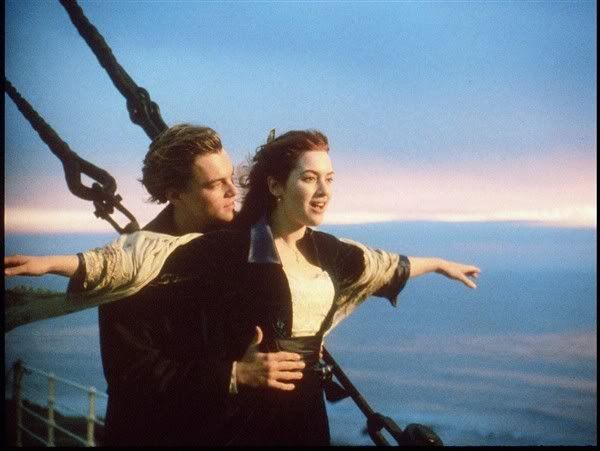
This is an example of a mid shot used in the film Titanic directed by James Cameron. This shows the events going on from a distance but much closer than the long shot, only showing what we want the audience to see.

Close Up (CU)


This is an example of a close up shot from the film Batman directed by Christopher Nolan showing just the face of the enemy. A close up shot is when we want to see the reaction of someone through facial expression to the events which are happening, have just happened or are about to happen. It emphasizes their emotion.

Extreme Close Up (ECU)


This is an example of an extreme close up shot from the film Harry Potter. An extreme close up shot is too close to see general reactions or emotions however it is used widely during dramatic scenes, and also to show eye contact between two of the characters. 

Point Of View (POV)


This is an example of a point of view shot, which is where we see the scene from one person's perspective. This makes us feel close to the character and almost gives the audience an emotional connection with them, almost making us relate to them and put ourselves in their shoes.

Low Angle Shot (LAS)


This is an example of a low angle shot which creates a sense of power. This makes the person in the camera seem tall, dominant and strong, usually making the audience feel intimidated.

High Angle Shot (HAS)


This is an example of a high angle shot, which isn't as extreme as a birds eye view, however it makes the person in the camera look insignificant, small and weak. 

Pan


This is a camera shot where the camera is moving horizontally to the left or the right, usually following someone who is walking in a video or film.

Tilt


This is another camera shot which is where the camera moves horizontally, however this time the camera moves up or down. This is usually found at the beginning or the end of a new scene.

Craneshot


The craneshot movement is usually used at the beginning or the end of a movie, showing the place and area the film is set in, and is when the camera is on a crane in the air, showing high angle views of characters and people.

Tracking Shot


A tracking shot is used with a camera dolly, so the camera is able to move steadily without moving and causing the image to be bumpy and unclear. This shot is used to film walking, fighting and many other scenes.

Hand Held Shot

This hand held shot can be used at the same time as a POV shot, however it doesn't always have to be. It is when the camera is held by hand and the image is very unclear and bumpy, which can create a sense of unease, tension and also panic. This presents real life because this is what we would see as the character who may be running or walking very fast. 

Thursday, 6 December 2012

Mise-en-scene

Mise-en-scene

Mise-en-scene is the arrangement of everything which appears in a frame including light, colour, props, decor and costume. 

The lighting can be either high-key or low-key, high-key highlighting beauty and facial features, low-key creating a dark mysterious affect with lots of shadowing which is often used in thrillers and horror movies.
The color can be in color or in black and white, black and white also creating a mysterious effect, and color can create vibrant happy scenes.
Costume can determine our first judgement of a character and can also tell us who the character is and what part they are going to play.


This is a picture of nature which is bright nd this creates a happy mood.
This is another image of nature but it is in dark colour and this creates a threatening, intimidating mood.

Saturday, 1 December 2012

Alfred Hitchcock

Alfred Hitchcock


'If its a good movie the sound could go off and the audience would still have a perfectly clear idea of what was going on'

'Always make the audience suffer as much as possible'

Sir Alfred Joseph Hitchcock was born on the 13th August 1899 in Leytonstone and is an English film director. His films were mostly suspense and psychological thrillers. He was known as 'Hitch' or 'The master of Suspense' due to this. 
He was bought up with William Hitchcock, his older brother, and Emma Jane Hitchcock, his older sister, and was raised as a Catholic. When he was 5, he was sent by his father to the police station with a note asking them to lock him away for five minutes to punish him for behaving badly. Being harshly treated and punished is reflected in his films. Hitchcock was rejected in the First World War by the military due to being overweight, having a glandular condition and his fathers death. 

Some of Hitchcock's films are:

Psycho, The Birds, Rear Window, Vertigo, North by Northwest, Dial M for Murder, Rope.